

Blog
Light, Medium, or Dark Roast — Which One Suits Your Taste?

Light, Medium, or Dark Roast — Which One Suits Your Taste?
Short answer: choose light roast for bright, fruity, tea-like flavor; medium roast for balanced sweetness; and dark roast for bold, rich, chocolatey flavor. If you’re new to coffee, medium roast is the safest place to start. No roast level is “the best” — they’re just different expressions of the same bean.
What Roast Level Actually Means
Roast level comes down to how long and how hot the beans are roasted. During roasting, beans make two audible “cracks”:
- First crack: moisture inside the bean turns to steam and it pops. Light roasts stop at or just after this point
- Second crack: the bean’s internal structure starts to break down and oils move to the surface. Dark roasts reach or pass this point
- Medium roasts sit between the two
Light Roast
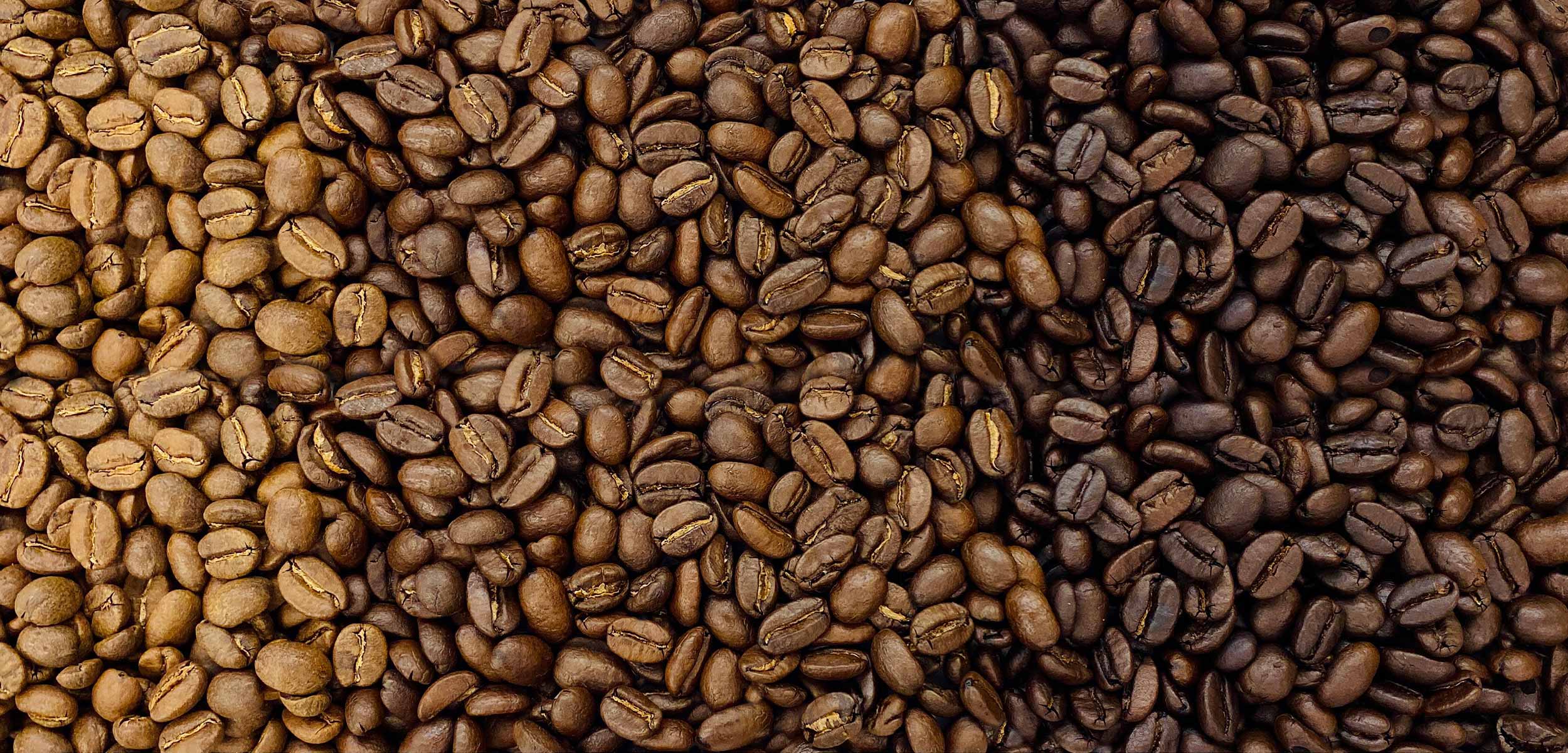
Color: light brown, dry surface
Flavor: bright and lively — berries, citrus, floral notes, and delicate honey-like sweetness, often described as tea-like.
Acidity: medium to high. Body: light.
Best for: black coffee drinkers who want to taste the coffee’s origin and don’t like heavy, roasty flavors. Note that light roasts take a bit more skill to brew — under-extraction can taste sour — and milk tends to mask their subtle flavors.
Medium Roast
Color: medium brown
Flavor: balanced and sweet — caramel, chocolate, and mild fruit, with some origin character still coming through.
Acidity: moderate and smooth. Body: medium.
Best for: beginners and anyone unsure what they like. It works black, with milk and sugar, in drip, or in a French press. If you’re not sure where to start, start here.
Dark Roast
Color: dark brown to nearly black, often with an oily surface
Flavor: bold and heavy — dark chocolate, smoke, toasted nuts, and molasses-like bittersweetness. The roast itself becomes the star, and origin flavors fade into the background.
Acidity: low. Body: full.
Best for: people who want a strong, classic “coffee” taste or drink theirs with milk and sugar. It’s a popular choice for espresso and milk-based drinks because the flavor holds up in milk. A well-made dark roast should taste rich and smooth, not burnt.
Side-by-Side Comparison
| Light Roast | Medium Roast | Dark Roast | |
|---|---|---|---|
| Color | Light brown | Medium brown | Dark brown to near black |
| Flavor | Fruity, floral, bright | Balanced, caramel, chocolate | Bold, smoky, bittersweet |
| Acidity | Medium–high | Medium | Low |
| Body | Light | Medium | Full |
| Origin flavors | Strongest | Some | Muted |
| With milk | Not ideal | Good | Best |
| For beginners | A bit challenging | Easiest | Easy, can taste bitter |
Does Dark Roast Have More Caffeine?
No — that’s a common myth. Caffeine barely changes during roasting, so when you measure coffee by weight, light and dark roasts contain nearly the same amount. Dark roast just tastes stronger, which makes people assume it has more. There’s one nuance: if you measure by scoop rather than by weight, light roast can carry slightly more caffeine because the beans are denser. Measured on a scale, the difference disappears.
Which Roast for Which Brewing Method
| Brewing method | Best roast |
|---|---|
| French press | Medium or dark — rich body and flavor come through well |
| Moka pot | Medium to medium-dark — deep, chocolatey, concentrated |
| Espresso / milk drinks | Medium-dark or dark — flavor holds up in milk |
| Drip / pour-over | Light to medium — delicate flavors stay distinct |
Still choosing between brewers? Read our comparison of French press vs moka pot, and see the moka pot guide for getting the most out of it.
Which One Is Right for You? Four Quick Questions
- Do you take milk or sugar? Go medium or dark
- Want lower acidity and a heavier, bolder cup? Go dark
- Drink black coffee and enjoy fruity, light flavors? Go light
- Brand new and unsure? Start with medium
Frequently Asked Questions
Which roast is the best? None is best for everyone. It depends on your taste and how you brew.
Is dark roast always bitter? No. A well-roasted dark roast is rich and smooth. Bitterness usually comes from over-roasting or poor brewing.
Why does light roast taste sour? It has higher acidity, and if it’s under-extracted the sourness dominates. Dialing in grind size, water temperature, and brew time brings out the sweetness.
Is one roast healthier than another? Not in any simple way. Light roasts may retain somewhat more antioxidants, but the difference isn’t large. Choose what you enjoy and tolerate well.
Bottom Line
You don’t need to be an expert to choose a roast — just know your own taste. Start with medium, then explore lighter or darker and notice what you enjoy most in your cup. And once you’ve found your roast, keep it tasting its best with our guide to keeping coffee beans fresh.
At Gold Coast Coffee Roasters, we stock freshly roasted coffee beans. Not sure which roast fits your taste and brewing method? Get in touch and we’ll help you choose.


